

Screen printing is the oldest, cheapest, and most reliable way to put ink on a T-shirt at volume. It’s also the hardest format to start with if nobody tells you the real setup cost, the real per-shirt math, and the 10 mistakes that sink a new print shop in its first six months. This is that honest guide.
What screen printing actually is
Screen printing (a.k.a. silk screening) pushes plastisol or water-based ink through a tensioned mesh screen onto fabric. Each color in the design needs its own screen, its own film positive, and its own registration pass on the press. One pass = one color. A four-color design on a T-shirt runs through the press four times — once per color — and cures under a conveyor dryer at around 320°F.
That mechanical simplicity is why screen printing still wins on cost above ~36 pieces. Once the screens are burned, the per-shirt cost is essentially just ink and labor. There’s no per-click fee like a DTG printer, no transfer sheet like heat press, no stitch count like embroidery.
The screen printing process, end to end
- 1
Art and separations
One screen per color
- 2
Coat and expose screens
Emulsion + UV burns the stencil
- 3
Register on press
Every color must land in the same spot
- 4
Print — flash — print
Underbase first on dark garments
- 5
Cure and wash-test
Full cure through the ink film, verified
The real startup cost (2026 numbers)
You don’t need a $40,000 auto press to start. A 4-color/4-station manual press, a flash dryer, a conveyor dryer, an exposure unit, and basic darkroom supplies will get you printing production-quality shirts for under $6,000 used or $10,000–$14,000 new.
- 4/4 manual press (used): $1,800–$3,500
- Flash dryer: $400–$900
- Conveyor dryer (gas or infrared): $1,500–$4,000
- Exposure unit + washout booth: $600–$1,500
- Screens, squeegees, emulsion, film: $300–$600
- Starter ink kit (plastisol, 6 colors + white + black): $250–$400
The number nobody tells you about is the rent. A conveyor dryer wants ventilation and clearance, and neither your garage nor a residential lease will approve an industrial exhaust fan. Budget a 1,000 sq ft flex warehouse space — usually $800–$1,500/mo depending on your market.
What to print on: the blank T-shirt decision
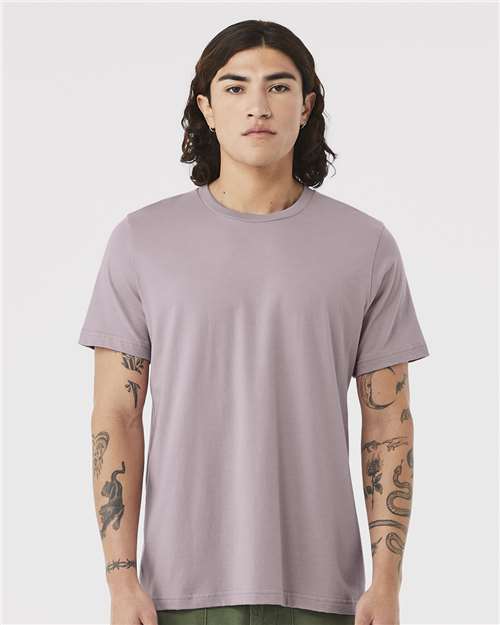
The blank matters more than most beginners think. A $2.30 Gildan 5000 prints differently than a $4.90 BELLA+CANVAS 3001 — the weave, the hand, the shrinkage, and the way ink lays down are all different. Here are the four blanks 90% of new shops should stock:
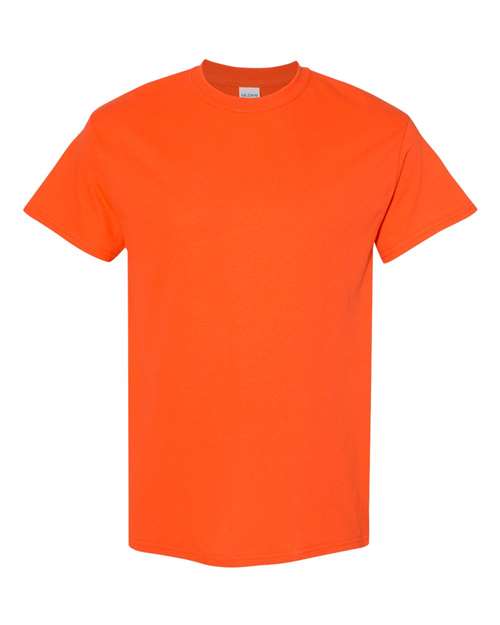
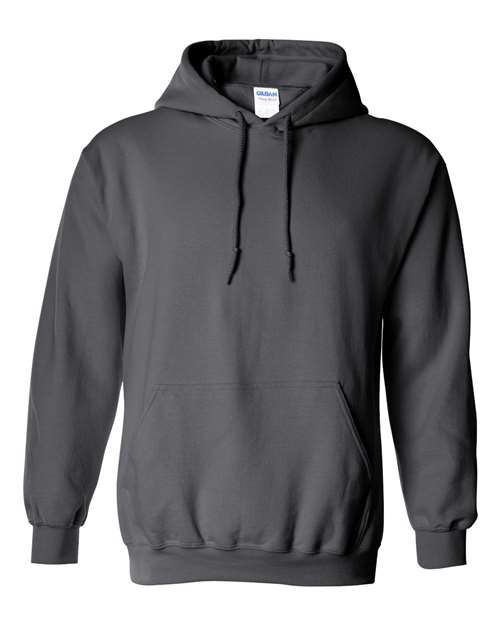
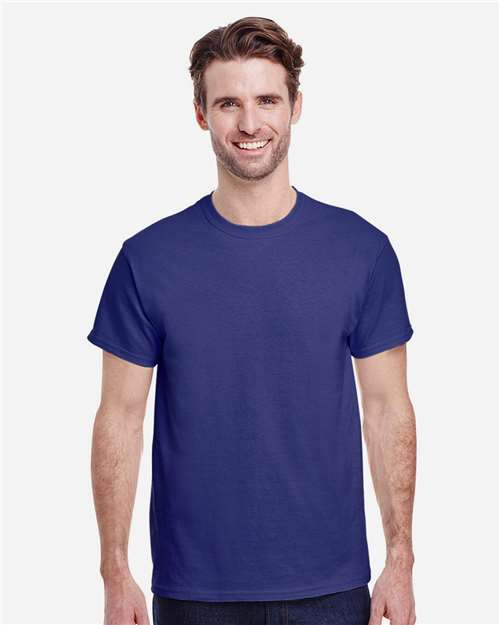
- Gildan 5000 (Heavy Cotton): 5.3 oz, tubular, cheapest per piece. Go-to for event shirts, fundraisers, and anything where price is the deal-breaker.
- Gildan Softstyle 64000: 4.5 oz, ring-spun, much softer hand than the 5000. Upgrade when a customer asks for “a nicer blank” but won’t pay Bella money.
- BELLA+CANVAS 3001 (Unisex Jersey): 4.2 oz, Airlume combed ring-spun, side-seamed, modern fit. The default retail/boutique blank right now.
- Next Level 3600: 4.3 oz, premium combed cotton, runs true to size. Great alternative when Bella is back-ordered (which is often).
A useful rule: your blank cost should be 25–35% of your sell price. If you’re selling a 1-color print on a BELLA 3001 for $12 retail, you’re paying ~$4.50 for the blank wholesale, ~$0.30 in ink, ~$1 in labor, and keeping ~$6 in margin. Sell the same print on a Gildan 5000 at $8 retail and the math collapses.
The 10 mistakes that sink new print shops
- Quoting jobs without a minimum. Every job you take under ~24 pieces loses you money once you account for screen setup time. Set a 24-piece minimum, then charge a $40 setup fee on top of the per-shirt price for smaller jobs so walk-ins still make sense.
- Buying too many ink colors too early. You can mix 95% of what any customer asks for out of Pantone-matched process primaries (CMYK) plus white, black, and a warm red. Don’t buy gallons of 40 premixed colors — you’ll throw most of them out when they skin over.
- Under-stretching screens. A loose screen gives you blurry prints, fighting registration on multi-color jobs, and screens that bow out after 50 shirts. Buy pre-stretched screens or pay to re-stretch the ones you already have to 22–25 newtons.
- Trying to compete on price. The $2-a-shirt printer is always going to lose to an auto press doing 500/hour. Pick a niche — local sports teams, music merch, employee uniforms, political swag — and charge for your reliability there.
- Skipping a customer order form. If the order exists only in text messages and voice memos, you will reprint the wrong size run and eat the cost. Even a Google Form is fine. Get the sign-off before you burn screens.
- Running the flash dryer like a curing dryer. Flashing sets the ink just enough to print the next color on top. It does NOT fully cure. Ink not cured at 320°F will wash out in the first laundry cycle and you’ll get the shirts back as a refund request.
- Underestimating how much the shop smells. Plastisol ink and solvent-based screen openers reek. Your landlord, your partner, and your kids will eventually complain. Invest in an extractor fan before you need one, not after.
- No test print for new designs. Always pull one test shirt, inspect the registration and ink coverage under the same light your customer will use, and only then run the batch. Thirty seconds of inspection saves hours of rework.
- Ignoring blank shrinkage. Cotton blanks shrink 3–5% in the first wash. If your print runs near the neckline or the hem, it’ll distort. Keep logos between the middle chest line and 2” above the hem.
- No wholesale blank supplier. Retail blanks from a craft store kill your margin before you even start. Open a wholesale account early — most suppliers have a $50–$100 first-order minimum and 24-hour turnaround, which is plenty fast to pass through to your customers.
How to source blanks as a new shop
Most beginners think they need to physically hold inventory to run a print shop. They don’t. Pull orders only when a customer places one — and have them shipped plain-packed (with no supplier branding) straight to your shop. That’s how you stay cash-flow positive in your first year without a warehouse.
That’s exactly what B2B Sportswear is built for: 200,000+ blank apparel SKUs from 100+ brands, true wholesale pricing from the first piece with six quantity-break tiers applied automatically in the cart (mix sizes and colors within a style and they still count), free Ground shipping on orders $265+ (contiguous 48 states), same-day dispatch by 1 PM EST from the closest US warehouse, and plain, unbranded packaging so your customers never see where you sourced the blanks. There are no minimums and no annual fee, and tax-exempt checkout with a resale certificate takes minutes to set up. See bulk pricing and our resources for screen printers. Open an account, grab a dozen Gildan 5000s to test on your press, and you’re in business.
The honest bottom line
Screen printing is a trade. The first 3–6 months are about pulling bad prints, ruining shirts, figuring out how your press likes to be loaded, and memorizing the right pressure for your squeegees. After that, the per-shirt economics reward you for every batch you run. If you stay disciplined about minimums, cure temps, and blank sourcing, a 4-color manual shop can clear $4,000–$8,000 a month in side-income within a year. Not bad for a garage.
FAQ
How much does it cost to start a screen printing business?
$6,000–$14,000 for equipment — a 4-color manual press, flash dryer, conveyor dryer, exposure unit, and supplies — plus roughly $800–$1,500/month for a small flex warehouse space with ventilation.
Is screen printing still profitable in 2026?
Yes, above roughly 36 pieces per design it remains the cheapest decoration method. A disciplined 4-color manual shop with a 24-piece minimum can clear $4,000–$8,000 a month within its first year.
What temperature does plastisol ink cure at?
Around 320°F through the full ink layer, reached in a conveyor dryer. A flash dryer only gels the ink between colors — under-cured prints wash out in the first laundry cycle.
What is the best blank t-shirt for a beginner screen printer?
Start with the Gildan 5000. It’s around $2.30 wholesale, forgiving of pressure and off-contact mistakes, and available in 60+ colors. Add the BELLA+CANVAS 3001 once customers start asking for a retail-quality feel.