

Most successful small clothing brands don’t manufacture anything. They buy proven blank garments at wholesale, decorate them with their own designs, and sell the result at retail. The blank is the product development you didn’t have to pay for: fit, fabric, sizing, and quality control are already solved by a manufacturer producing millions of units a year. Your job is design, decoration, and marketing.
This is the realistic version of that playbook — the one that starts with a few hundred dollars, not a 5,000-piece overseas minimum.
Step 1: Pick 2–3 blanks and stop there
The biggest early mistake is launching with ten styles in eight colors. Every style-color-size combination is a SKU you have to photograph, list, and either stock or reorder. Start with a tight core:
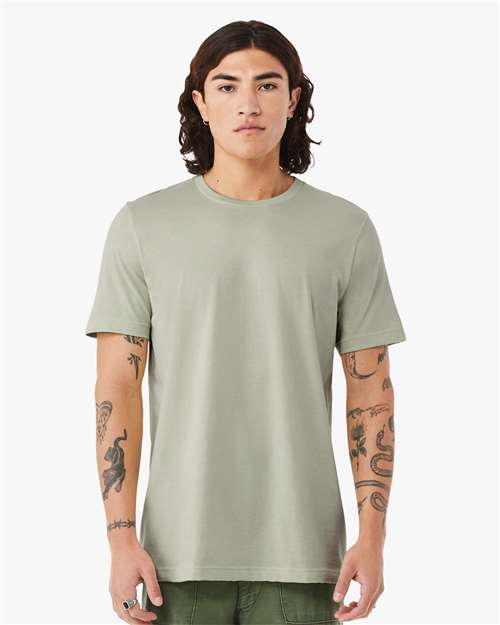
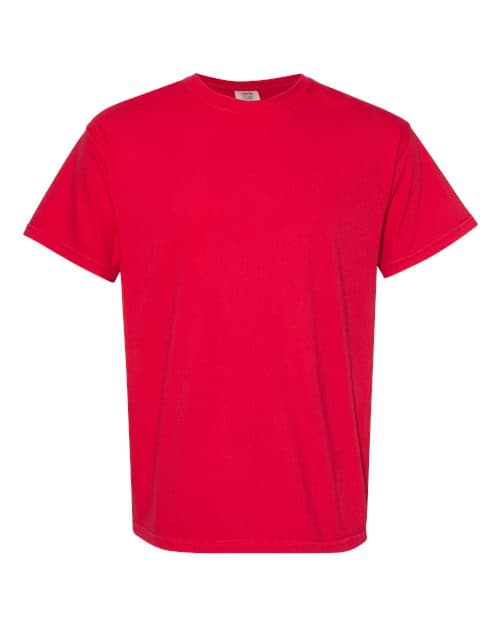
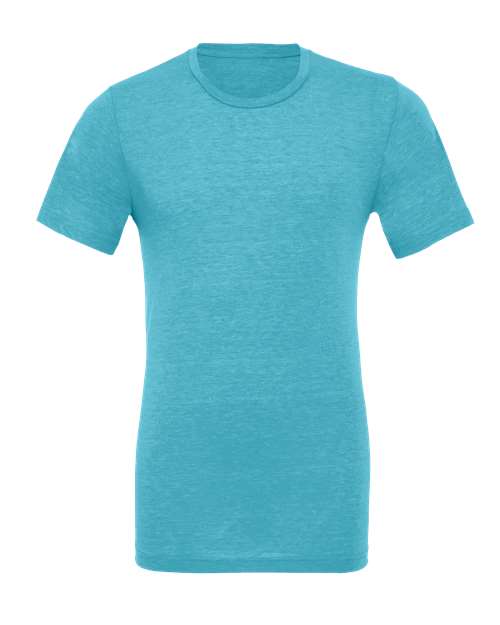
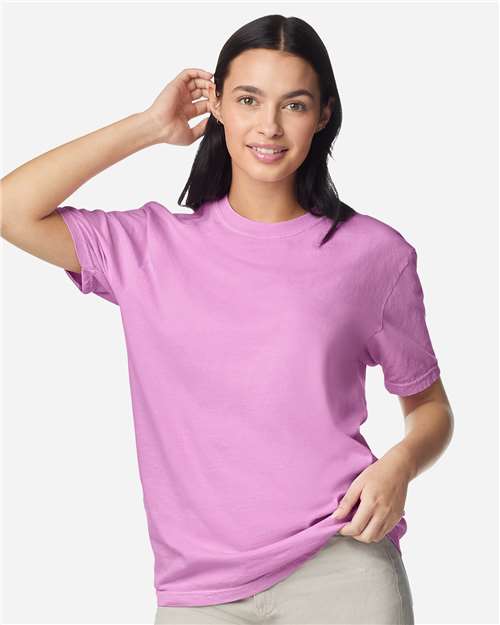
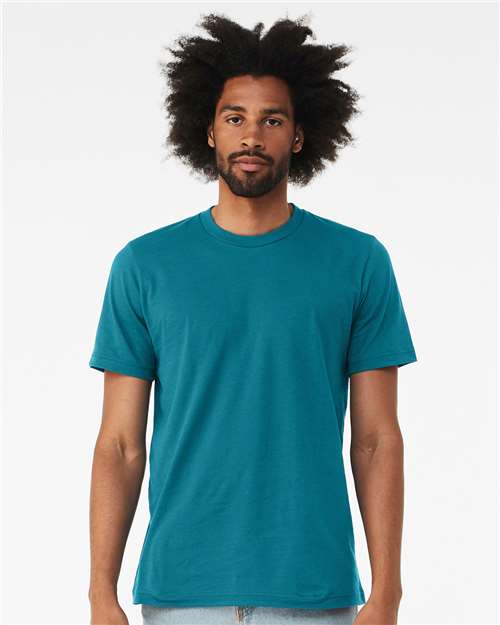
- A premium tee — the BELLA+CANVAS 3001 (4.2 oz Airlume ring-spun, retail fit) is the default base for modern brands, or the Comfort Colors 1717 (6.1 oz garment-dyed) if your look is boxy and vintage.
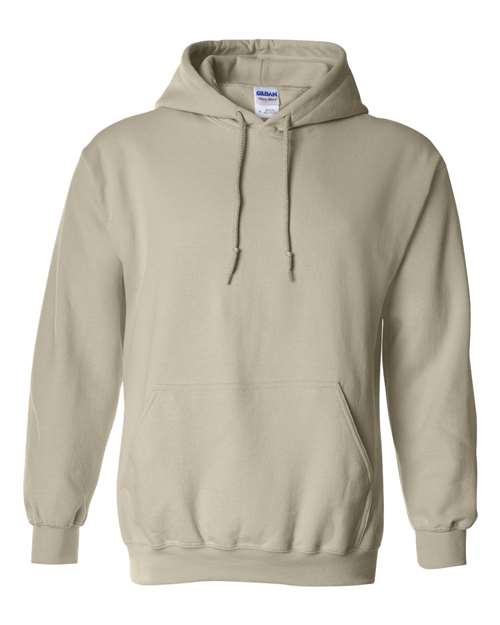
- A hoodie or crewneck — the Gildan 18500 Heavy Blend hoodie keeps cost down; a Champion S700 adds a recognized label your customers already trust.
- Optional third piece — a hat, tank, or long-sleeve that fits your niche.
Two to three styles, two to four colors each, in a straight S–2XL run. That’s a launchable brand.
Step 2: Choose one decoration method
- Screen printing — cheapest per piece at 24+ units, the standard for bold graphics. You’ll pay screen setup fees, so it rewards fewer designs at higher quantity.
- DTG (direct-to-garment) — no setup cost, full-color prints, economical at 1–20 pieces. Ideal for testing designs before committing to a screen print run.
- DTF transfers — flexible middle ground; presses onto cotton, blends, and polyester alike.
- Embroidery — the premium signal. A small left-chest embroidered logo on a hoodie supports a noticeably higher price than the same hoodie printed.
For true private label t shirts, add relabeling: many blanks (including the 3001) come with tear-away tags, so a printer can remove the manufacturer tag and print your brand’s inside label. That single detail moves the product from “printed blank” to “your garment.”
Step 3: The margin math, honestly
Here is realistic math on a premium tee sold at $30 retail, at a 48-piece order quantity:
| Cost item | Approx. per unit |
|---|---|
| Blank tee (wholesale, quantity break) | around $4–$5 |
| Screen printing, 2 locations | around $6–$8 |
| Relabel + fold/bag | around $1–$2 |
| Packaging + outbound shipping share | around $2–$3 |
| Total landed cost | around $13–$18 |
The DTC brand math, per tee
Direct-to-consumer price: $30.00
Brand margin$21.00
Blank$4.00
Printing$5.00
70% product margin is what funds ads, returns, and growth — it starts with wholesale blanks.
At $30 retail that’s a 40–55% margin before marketing. The lever that moves this most is the blank cost at quantity — which is why your supplier’s quantity breaks matter more than a dollar of retail price. If the math doesn’t clear 50% margin before ad spend, raise the price or cut a decoration location; don’t launch on hope.
This is where buying from B2B Sportswear specifically helps a new brand: true wholesale pricing from the first piece (no minimums, no annual fee), six quantity-break tiers applied automatically in the cart, and — crucially — you can mix sizes and colors within a style, so 48 assorted 3001s hit the same price tier as 48 identical ones. Everything ships in plain unbranded packaging, so you can forward inventory straight to your printer or even to a customer without any third-party branding in the box.
Step 4: Order samples before anything else
Never launch on a blank you haven’t worn and washed. Order one piece of each candidate style in two sizes — that’s maybe $40–$60 total. Check the fit against the size chart, wash each one three times, and compare shrinkage and fading. Then send one sample to your printer for a test print. A $50 sampling round has saved more brands than any amount of market research.
Step 5: Scale with quantity breaks, not guesses
Launch with a small run (24–72 pieces per design), sell through, and let real sales data pick your reorder quantities. Each reorder should step you up a price tier: at 144+ pieces of a style, your blank cost typically drops enough to add 3–5 points of margin without touching your retail price. Reorders also arrive fast — orders placed by 1 PM EST ship the same day from the closest of our US warehouses, and Ground shipping is free at $265+, which a reorder of that size clears easily.
One admin step: get your resale certificate
Register your business and get a resale certificate from your state. It lets you buy blanks tax-exempt (you charge sales tax to your end customer instead), which adds several points of margin on every order. Upload it once at our resale certificate page and checkout is tax-exempt from then on.
Where to buy your blanks
B2B Sportswear stocks 200,000+ SKUs across 100+ brands — every style named in this guide, from the t-shirt wall to hoodies and sweatshirts. Start with samples, check the bulk pricing tiers before you price your line, and scale your reorders as the sales come in.
FAQ
How much does it cost to start a clothing brand with blanks?
A realistic minimum is $500–$1,500: roughly $50 for samples, $300–$800 for a first decorated run of 24–48 pieces, and the rest for packaging, a simple website, and product photos. You do not need thousands of units or overseas manufacturing to launch.
Can I put my own label on wholesale blank t-shirts?
Yes. Many popular blanks, including the BELLA+CANVAS 3001, have tear-away manufacturer tags designed for relabeling. Your printer removes the tag and screen-prints or sews in your brand label. FTC rules require the new label to keep fiber content, country of origin, and care instructions.
What is the best blank t-shirt for a clothing brand?
The BELLA+CANVAS 3001 is the most common choice: retail fit, soft Airlume cotton, 100+ colors, and a wholesale cost around $4–$5. Brands going for a heavier, vintage look choose the Comfort Colors 1717 garment-dyed tee instead.
Do I need a business license to buy wholesale blanks?
Not at B2B Sportswear — anyone can buy at wholesale pricing with no minimums. A resale certificate is only needed if you want tax-exempt checkout; without one you simply pay sales tax on the order.