


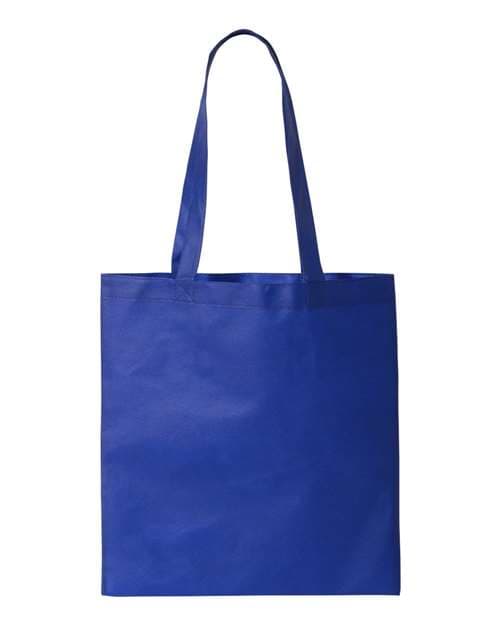
The most common bag-printing mistake is treating every bag like a T-shirt. Cotton canvas does behave like a shirt — but the two other materials that dominate the promotional bag market, non-woven polypropylene and polyester, will punish shirt habits: polypropylene deforms under a normal flash cure, and polyester dye migrates straight through a plastisol print. The material decides the method. Here’s the map.
Material × method compatibility
| Material | Screen print | DTF transfer | Embroidery | Sublimation |
|---|---|---|---|---|
| Cotton canvas | Excellent — the default | Excellent | Excellent | No (needs polyester) |
| Non-woven polypropylene | Yes — low-cure ink only | Yes — low temp, light pressure | Risky — perforates the sheet | No |
| Polyester (600D, ripstop) | Yes — with dye blockers | Excellent | Excellent | White/light poly only |
Safe heat by bag material
A standard plastisol cure schedule sits inside the zone where polypropylene warps — the #1 ruined-bag mistake.
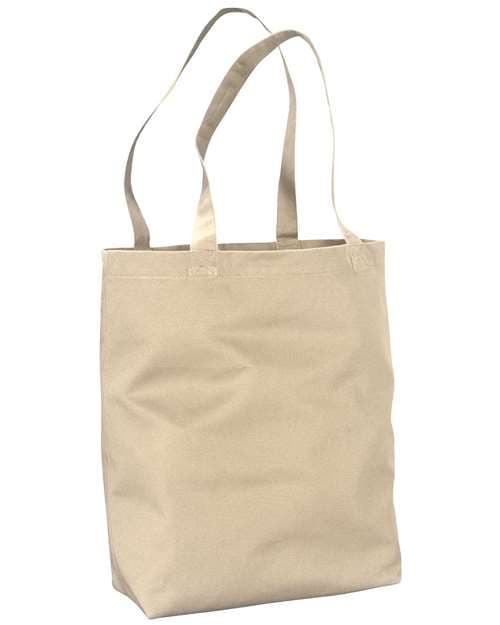
Cotton canvas: print it like a shirt
Canvas totes take plastisol and water-based ink exactly like garment cotton — same mesh counts, same cure temps. If you screen print shirts today, you can print a BAGedge Canvas Tote or econscious Everyday Tote this afternoon. Our tote bag buying guide ranks the specific canvas blanks by tier.
Non-woven polypropylene: cheap, everywhere, and heat-sensitive
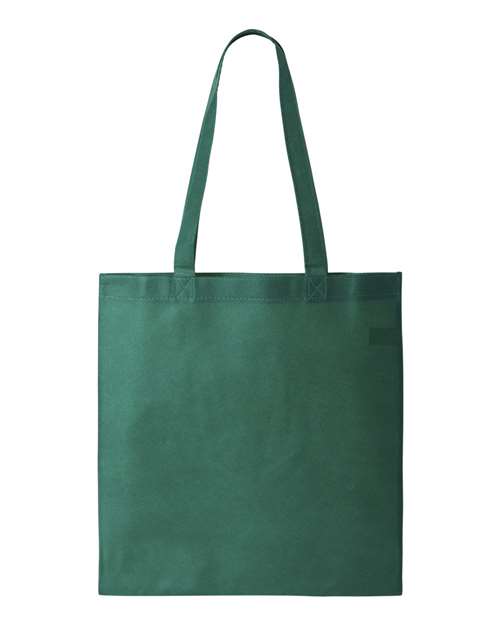
Non-woven bags are spun-bonded plastic sheet, not fabric — and that’s why they dominate giveaways: the Liberty Bags Non-Woven Tote (FT003) runs about $1.85 wholesale and the Q-Tees Non-Woven Drawstring Bag (Q1235) is about $1.30. At those prices a 1,000-piece trade-show order is a routine sale.
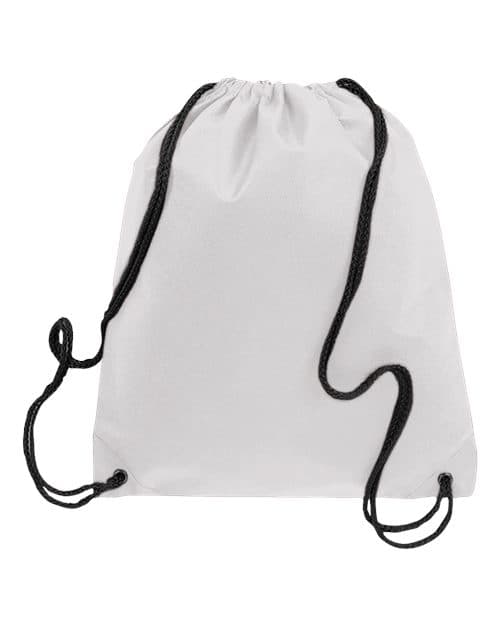
But polypropylene melts around 320°F — right in normal plastisol cure range. The rules:
- Use a low-cure ink (cures at 270–280°F) and verify with a donut probe, not the dryer’s display.
- Keep the flash brief and distant — the sheet warps permanently before it visibly melts.
- For DTF, press low and light: around 270–280°F with light pressure, and let it cool before peeling.
- Skip embroidery. Needle perforations tear non-woven sheet like a postage stamp.
Polyester bags: DTF and embroidery country
600-denier polyester is what zippered totes, drawstring packs, backpacks, and duffels are made of. Plastisol works only with a dye-blocking underbase; most shops skip the fight and use DTF transfers (bright, stretchy, bonded at ~280°F) or embroidery for a premium look. The BAGedge Polyester Zip Tote (BE080) and OAD Clear Drawstring Pack both decorate this way. For why polyester bleeds into prints in the first place, read our dye migration guide.
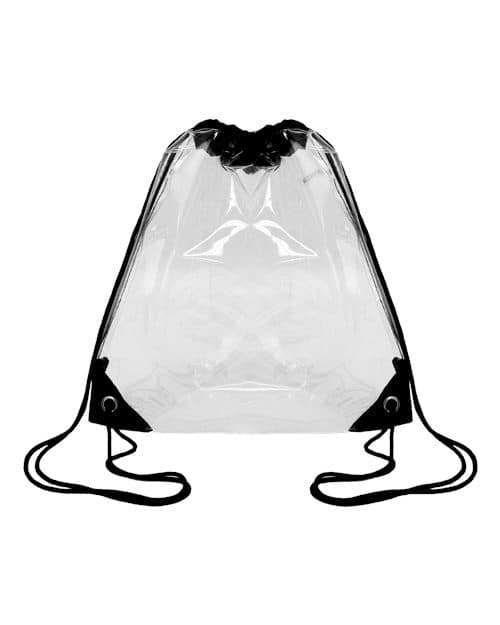
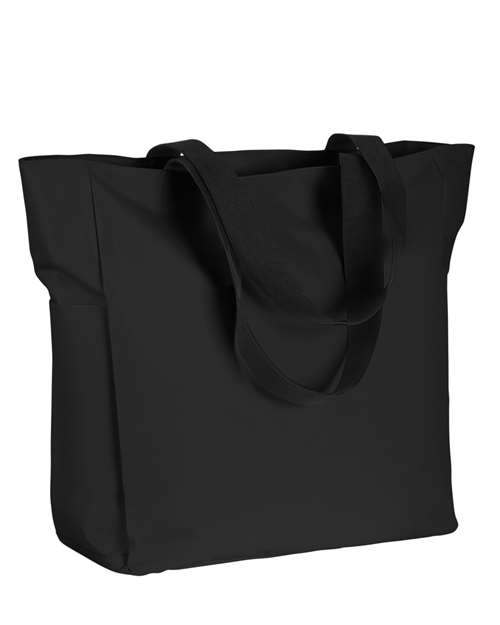
Sublimation is the special case: it only bonds to polyester and only shows on white or light panels. Purpose-made blanks like the Liberty Bags Sublimation Small Tote (PSB810) give you a white poly panel engineered for exactly this — edge-to-edge photo-quality prints that a canvas bag can’t match.
Which bag for which job
- Trade show, 500+ pieces, tight budget: non-woven (FT003 / Q1235), one-color screen print with low-cure ink.
- Retail resale, brand merch: cotton canvas, screen printed — mid or heavyweight.
- Full-color art or photos: DTF on canvas or poly; sublimation on a white-poly blank like the PSB810.
- Corporate gift: embroidered polyester — a zippered tote, backpack, or duffel. See our backpack & duffel embroidery guide.
All four materials — canvas, non-woven, poly, and sublimation blanks — live in our bags & accessories category at true wholesale pricing with no minimums, shipping same day from the nearest US warehouse when ordered by 1 PM EST.
FAQ
Can you screen print on non-woven bags?
Yes, but only with low-cure inks (270–280°F). Polypropylene deforms around 320°F, which is inside normal plastisol cure range — a standard cure schedule will warp the bag.
What is the best printing method for polyester bags?
DTF transfers are the most reliable: they bond well to polyester at around 280°F, stretch without cracking, and block dye migration better than a thin plastisol print. Embroidery is the premium alternative for corporate work.
Can you sublimate a cotton tote bag?
No — sublimation dye only bonds to polyester. Use a sublimation-specific blank with a white polyester panel, like the Liberty Bags PSB810, or switch to DTF, which works on both cotton and poly.
Where can I buy blank bags for printing wholesale?
B2B Sportswear carries canvas, non-woven, polyester, and sublimation bag blanks from Liberty Bags, Q-Tees, BAGedge, OAD, and econscious — wholesale pricing from the first piece, no minimums, no membership fee.